From Research to Reality:
The Next Generation of Acoustic Manipulation
AcoustoFab builds acoustic manipulation systems that move, sort, mix, analyse, and deposit matter without physical contact.
Our technology is built on decades of scientific progress in acoustic radiation forces, phased arrays, acoustic holography, and containerless processing. Today, we are turning that research into practical platforms for industry and laboratories.
A Brief History of Acoustic Levitation
-
![Blue and black sound wave icon with text 'Audio Analytics']()
1866
Standing-wave nodes
Augustus Kundt observed dust collecting at nodes in a resonant tube, demonstrating acoustic radiation forces that later underpinned levitation.
-
![The phrase 'math is hard' with a stylized letter 'f' and an ampersand in orange.]()
1930–1960
Theory
Work by King and Gorkov formalised the forces acting on particles in sound fields, providing the equations used in modern levitation design.
-
![Logo with stylized abstract human figure and orbit around a central circle.]()
1933
First droplets levitated
Bücks and Müller levitated alcohol droplets at standing-wave nodes, proving deliberate acoustic levitation was possible.
-
![Graph showing the deuterium-fueled fusion reaction with isotopes deuterium and tritium.]()
Mid–20th century–1980s
Containerless processing and microgravity
New acoustic devices and microgravity experiments on Space Shuttle missions explored radiation forces on levitated droplets in low gravity.
-
![Blue physics wave symbol between the words 'Quantum Mechanics'.]()
2015
Holographic acoustic trapping
Prof. Sriram Subramanian’s group optimised ultrasonic phased arrays to create holographic acoustic elements, including tweezers, twisters, and bottle beams, moving acoustic levitation from static traps towards dynamic, 3D manipulation of matter.
-
![Simplified representation of a molecule with a central atom connected to three other atoms, all depicted as orange circles, on a black background.]()
2017
TinyLev to Alchema
The open TinyLev levitator made single-trap levitation widely accessible, enabling hundreds of papers in cell proteomics, crystallisation, and reaction kinetics; AcoustoFab’s Alchema platform extends this into programmable, multi-trap, three-axis levitation with automation, scripting, and real-time feedback.
-
![Blue stacked layers icon with the words "Stack Overflow" beside it.]()
2020s
From demonstrations to platforms
The field has moved beyond isolated levitation demos. Researchers have shown automated droplet handling, multi-droplet merging, optical readout, containerless assays, acoustic 3D fabrication, and conveyor-based sorting. AcoustoFab builds on this shift, turning acoustic manipulation into practical, programmable systems for real-world use.
-
![A black logo featuring three orange right-pointing arrows stacked horizontally, with black text above that reads 'Advance Your Career'.]()
2025
Industrialisation
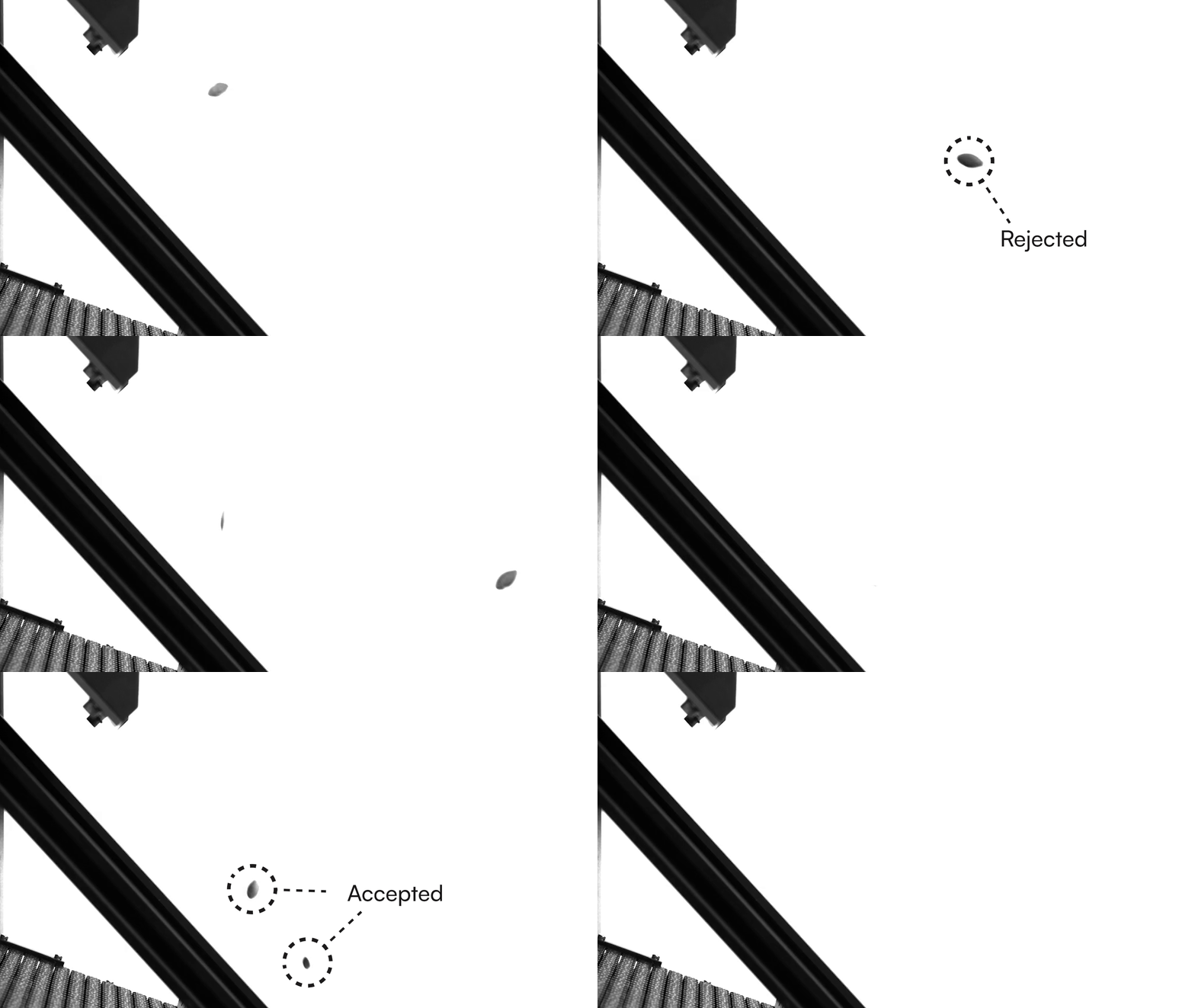
Acoustic manipulation began moving into practical systems, with conveyor-based acoustic sorting demonstrating high-throughput, contact-free separation for agritech and industrial sorting, while programmable lab platforms advanced automated droplet handling, containerless assays, and materials workflows for research and life sciences.









Levitation Redefined through Acoustic Holography
At the heart of our technology lies acoustic holography, a method of creating 3D sound patterns that can precisely manipulate objects. Just as visual holograms use light to form 3D images, acoustic holography uses sound waves to shape ‘fields’ in the air or liquid. By carefully calculating how sound waves interact, we create custom pressure zones that can move, hold, or sort small solids and liquids without contact. Our computational solutions leverage phase retrieval algorithms to design these holograms, enabling us to adapt and fine-tune the technology for a wide range of applications with unmatched precision.

Levitation by Sound:
The Science of Acoustic Forces
Sound levitation uses the pressure delivered by multiple ultrasound speakers. Like waves in the sea, the pressure from 2 speakers can add together (i.e, helping create a higher wave) or cancel each other. Controlling the contribution of each of our speakers we can create areas of high pressure, areas of no pressure, or areas of no pressure surrounded by high pressure (i.e., like a pressure “cage”) that allow us to trap objects inside them.
-
From a holography perspective, this involves solving complex computational challenges to design and create these 3D patterns. The 'magic sauce' lies in how we program our custom-built transducer array to dynamically generate these patterns at high speed and in different locations.
Unlike magnetic levitation, which can only be used with ferromagnetic materials, sound levitation directly relies on delivering mechanical pressure on the surface of the material, making it versatile for manipulating both solids and liquids of varying shape, size and density. This technology’s precision, material versatility and non-invasive nature make it ideal for delicate tasks across industries.

Our Research
AcoustoFab’s pioneering research includes the first demonstration of an acoustic tractor beam (Nature Comms, 2015) and high performance computation of such sound fields for one (Nature, 2019) or multiple points (SIGGRAPH’ 2020). Our founders real-time boundary element method (BEM) solver (Science Advances, 2022) overcomes previous limitations, enabling precise, high-performance operation in environments containing external objects, such as imaging, liquid dispensing or other devices.

What’s Possible Today?
AcoustoFab’s sound-based levitation handles diverse materials, from light liquids to dense solids like mercury and diamond, in sizes from sub-millimetres to centimetres. Our technology enables simultaneous levitation at varied speeds and scales, transforming materials science, biotechnology, and manufacturing. Watch our videos to see it in action.

Levitation Through Sound: Cutting-Edge Applications
AcoustoFab’s sound levitation drives innovation across industries. In lab automation, it enables contamination-free sample prep and real-time mid-air analysis. In 3D printing, it achieves precise component placement and tailored textures for aerospace and automotive. In agritech, it improves non-contact seed sorting, enhancing quality and reducing waste. Fully programmable, our solutions ensure damage-free handling and high accuracy for advanced industries.
Capabilities
-
![Text with blue circles overlaid that read 'Thanks for watching.']()
Micro to Macro Handling
Capable of levitating particles from sub-millimetre to centimetre scales, accommodating a wide range of material sizes and densities.
-
![A caution sign with a hand making the shush gesture, indicating to be quiet or silent.]()
Contactless Handling
We shape air pressure to levitate and manipulate matter without contact, thus preventing contamination, absorption, and surface interactions.
-
![A black and blue USB 3.0 connector with three pins, a blue arrow pointing upwards, and a blue dot at the bottom.]()
Material Versatility
Handles diverse materials, including liquids (water, oil, mercury) and solids (polystyrene, diamond), allowing for flexibility across applications.
-
![Graphic showing a speedometer needle pointing to the middle, with the words 'Performance Speed' beside it.]()
High-speed, Multipoint & 3D Control
Our software enables high-speed, 3D control of multiple levitated objects, greatly increasing throughput and automating tasks that once required bulky mechanical robots.
-
![Graphic illustration of a blue circular shape with dotted lines and smaller shapes inside, resembling a stylized abstract design.]()
Merging
We can accurately merge liquid materials together in mid-air, precisely combining both liquid droplets and solid particles of different sizes.
-
![A logo with the text 'HIVE' and an abstract design resembling two orange circles with black lines forming a stylized hive or honeycomb pattern.]()
Mixing
By inducing resonance in droplets, we can dramatically increase the mixing rate when combining different materials.
-
![Blue water droplet icon with ripples below.]()
Droplet Ejection
Acoustic droplet ejection has revolutionised liquid handling precision in lab automation over recent years. We can directly eject droplets directly using our device by focusing energy on a liquid surface.
-
![Flowchart diagram showing a process with four steps, connected by arrows, with an orange diamond shape in the middle.]()
Deposition & 3D Printing
We can precisely deposit levitated materials on any surface, from any direction. As we can do this with virtually any material, this opens up entirely new paradigms in 3D printing.
-
![Logo featuring a stylized blue flame with black outlines, accompanied by the text 'American' in black.]()
Evaporation
We can evaporate samples allowing a range of mid-air chemistry capabilities such as titration, forming super-saturations, amorphous crystallisation and producing unique solid-state forms of pharmaceuticals.
-
![Diagram showing a process with bubbles connected by arrows, depicting a funnel or flowchart.]()
Micro-Bubble Generation
Our technology can create micro-bubbles below the surface of liquids or gels, with applications across 3D printing, food and biochemistry sectors.
-
![A logo featuring two overlapping blue hearts with small circles beneath them, and the text 'My Heart' written to the left of the hearts.]()
Encapsulation
By encapsulating liquids and solids in mid-air, we can prevent evaporation where needed and preserve active ingredients or cells.
-
![Icon of a black atomic structure with five orange atomic orbits surrounding a central orange nucleus.]()
Atomisation
By changing the strength of acoustic traps, we can atomise liquids instantly in mid-air.
-
![Graphic of three vertical sliders with knobs, used to adjust settings, in dark blue color.]()
Industry-Specific Customisation
Adaptable and retrofittable levitators with no moving parts suitable for agritech, pharmaceuticals, waste sorting, and 3D printing, ensuring optimal performance for specialised needs.






How Acoustic Levitation Works
Acoustic levitation can operate in two powerful modes to levitate and manipulate objects. In one mode, standing sound waves are generated by ultrasonic transducers to create areas of high and low pressure. Particles settle into the low-pressure nodes where upward acoustic forces counteract gravity, stabilising the particles without physical contact.
In a more advanced mode, multiple emitters work together to generate an acoustic trap, where focused sound waves form a low-pressure area surrounded by high pressure. This acoustic trap is controlled electronically, allowing us to precisely position and move particles. As sound waves bounce off objects in the environment, they alter the path length and acoustic phase, but AcoustoFab’s algorithms account for these changes, adjusting the sound field in real time.
-
Through a closed-loop system, with cameras and machine vision tracking the position of the levitated objects, we can dynamically adjust the acoustic field to control each particle’s movement. For example, by controlling the field's intensity, we can increase or decrease acceleration based on the object’s size and density, keeping it stable within the trap. This precision enables unique applications, such as propelling a liquid droplet to mimic inkjet printing or creating an ‘invisible pen tip’ to precisely eject a defective seed. With rapid switching of forces, AcoustoFab’s technology enables a wide range of manipulations, from gentle handling to high-speed ejection, opening up revolutionary possibilities across industries.
Our Tech Platform
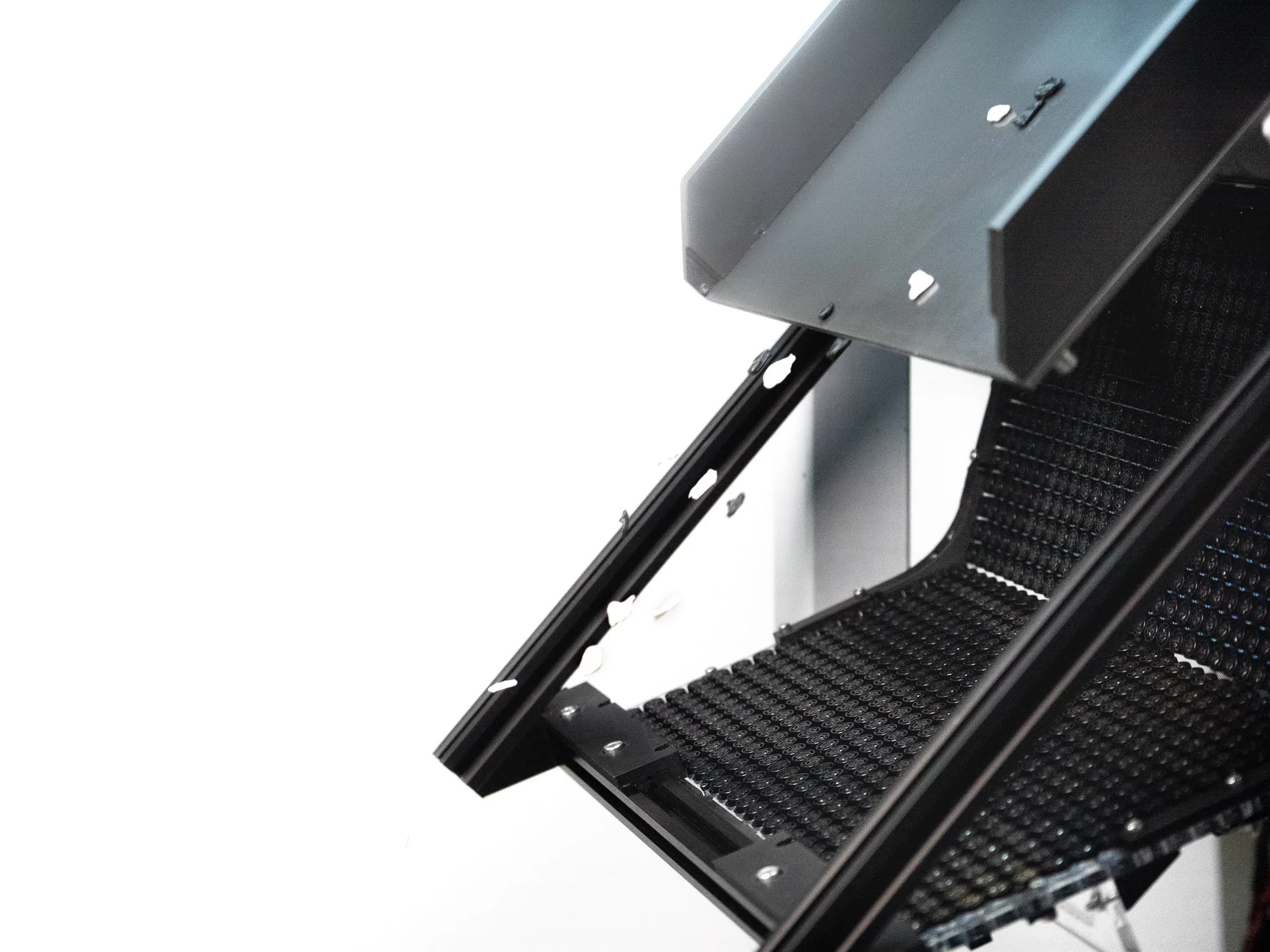
WaveSort
High-speed, multi-bin sorting for industrial conveyors. A silent, sustainable, and maintenance-free alternative to pneumatic ejection.
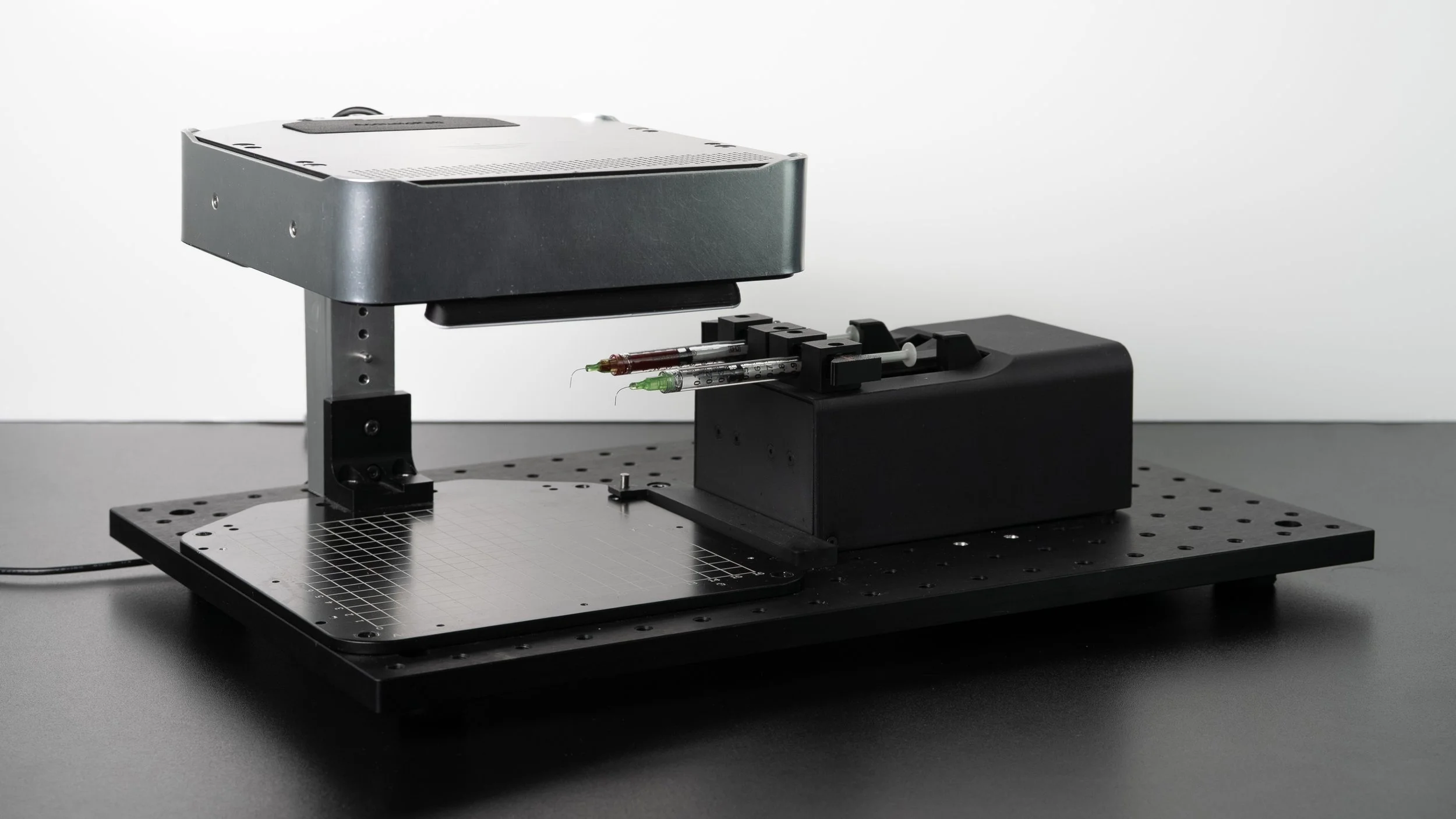
Alchema Research
A software-defined lab instrument for containerless experimentation. Precise, scriptable, and contamination-free.
Both platforms expose common interfaces, APIs, CAD and mounting patterns, and workflow tools, so engineers can integrate acoustic levitation into existing machines or automation stacks without redesigning their entire infrastructure. Partners can start with off‑the‑shelf products and extend them through co-development, custom workflows, or OEM integration as requirements grow.
FAQ
-
AcoustoFab systems can manipulate a wide range of low-volume liquids and small solids, including aqueous droplets, oils, solvents, hydrogels, polymer particles, glass particles, seeds, powders, electronic components, and other lightweight objects. The exact operating range depends on the product and application. Important factors include size, density, shape, stiffness, viscosity, surface tension, and how the material interacts with the acoustic field. For example, Alchema Research is specified for droplet volumes from 200 nL to 6 µL, a maximum object or droplet size of 3.5 mm, and selected samples with densities up to 6 g/cm³ under appropriate conditions.
-
We use ultrasonic phased arrays: grids of small transducers that emit ultrasound with individually controlled phase and amplitude. By coordinating these transducers, the system creates a shaped acoustic pressure field. This field contains stable regions where objects can be held, moved, or redirected. We often describe this as a software-defined pressure cage. Unlike a mechanical gripper, the trap is created in air. It can be moved, switched, reshaped, or combined with other traps through software.
-
The main advantage is contact-free handling. Because the acoustic field manipulates objects without touching them, it can reduce contamination, mechanical damage, surface interactions, sample loss, and residue. This is useful in applications where the material is fragile, scarce, biologically sensitive, easily contaminated, or difficult to handle using conventional tools. Acoustic manipulation is also programmable. A single system can perform different motions or workflows by changing the acoustic field, rather than changing mechanical tooling.
-
Yes. Both WaveSort and Alchema Research platforms are Software-Defined. We provide Python/C++ APIs and scripting tools to automate 3D paths and integrate vision-feedback loops into existing workflows.
-
o AcoustoFab systems use ultrasound above the normal range of human hearing, typically around 40 kHz. However, ultrasonic systems can still generate high sound pressure levels and should be treated as specialist equipment. Users should therefore follow the product documentation, avoid placing ears close to the active array or working volume, and use appropriate PPE and operating procedures where required. Research and early-access systems may also have specific intended-use and certification limitations.
-
Alchema Research is AcoustoFab’s research platform for containerless sample handling. It uses acoustic levitation to hold and manipulate low-volume liquids and fragile solids in free space. Researchers can dispense, hold, move, merge, mix, and deposit samples using programmable workflows. The platform is designed for exploratory research in areas such as reaction studies, assay development, real-time analytics, formulation research, 3D cell culture, and proteomics-adjacent workflows where reducing surface contact and sample loss can be valuable.
-
TinyLev is an open source, low-cost acoustic levitator design that made single-trap levitation more accessible to researchers and educators. It played an important role in democratising acoustic levitation. Many researchers have used TinyLev-like or custom-built systems to study droplets, particles, evaporation, crystallisation, reaction kinetics, and biological samples. AcoustoFab builds on that research culture but serves a different need. Our products are designed to move from demonstration towards turnkey acoustic automation: calibrated hardware, workflow software, scripting tools, integration interfaces, and product support.
-
arrays to eject or redirect small objects in conveyor-end or free-fall sorting environments. It is designed to work alongside machine vision and optical inspection systems: the inspection system identifies the object, and WaveSort provides the contactless actuation. WaveSort can support binary sorting, multi-bin sorting, detritus removal, and variable-force ejection depending on the application. It is being developed as a drop-in or OEM-ready alternative to pneumatic ejection modules.
-
SONATA is an EU funded EIC-Transition project aiming to develop a programmable acoustic platform for handling matter in mid-air, enabling cleaner experiments, reduced sample loss, and entirely new laboratory workflows.
SONATA is led by AcoustoFab, a London-based deep-tech company developing programmable acoustic manipulation technologies. The company designs ultrasonic phased-array hardware and control software that enable levitation, transport, and precise handling of droplets and particles without physical contact. AcoustoFab’s platforms translate over a decade of academic research into practical systems for laboratory automation, materials research, and industrial processing.
-
It depends on the application. Some capabilities are ready for research and early partner evaluation today. Others require application-specific validation, especially where throughput, regulatory requirements, sample compatibility, or industrial uptime are critical. AcoustoFab’s role is to help partners move from proof of concept to practical deployment. We do this through product platforms, pilot programmes, co-development, and OEM integration.
Start Your Contact-Free Journey
AcoustoFab has moved beyond the laboratory to deliver robust, high-performance systems for global industry and research. Whether you are looking to eliminate compressed air costs in a sorting facility or prevent sample loss in a proteomics lab, our team is ready to help you integrate the next generation of acoustic manipulation.
See it in Action
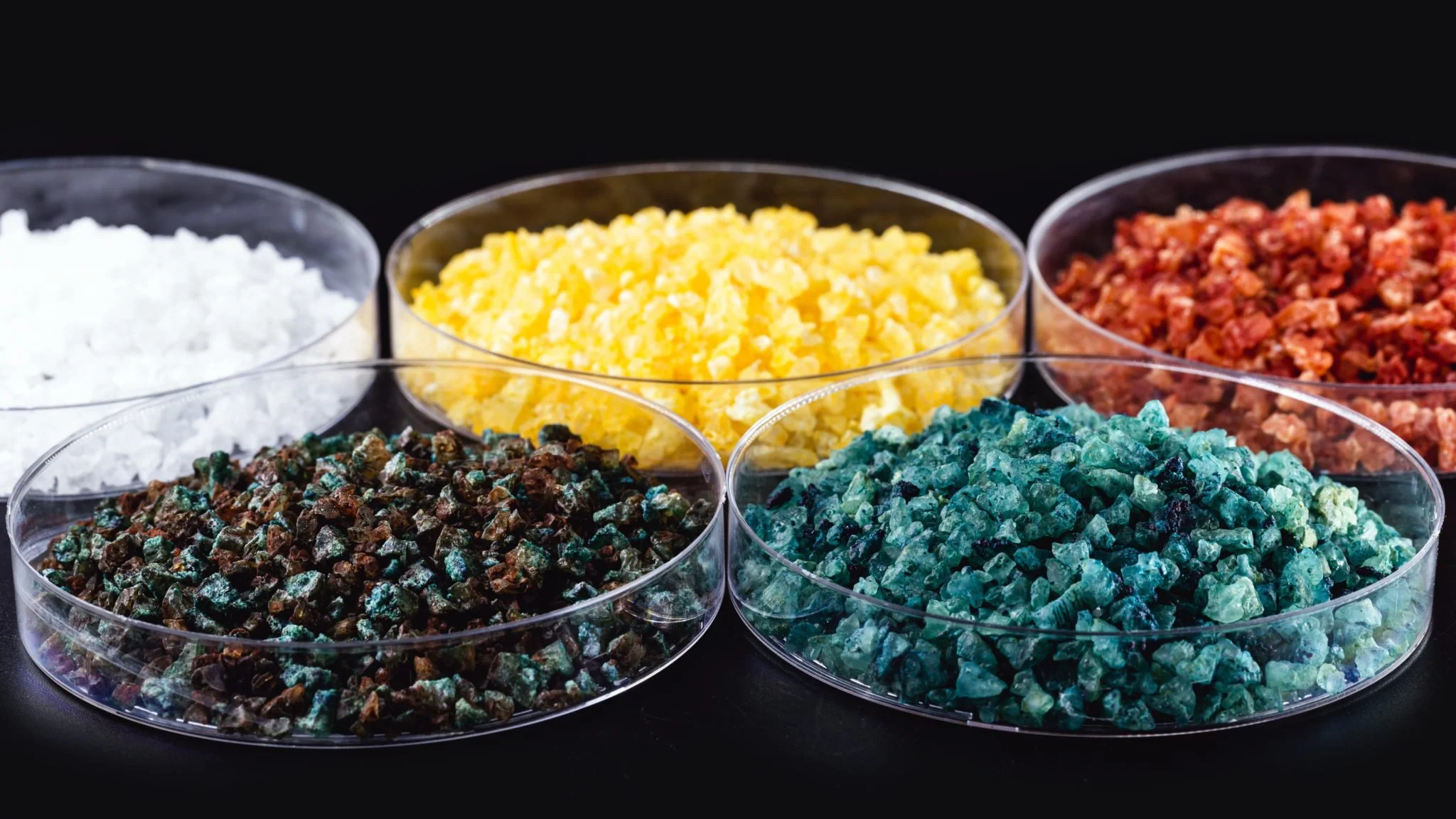
Optical Sorting
Replace air-jets and reduce energy by 10x.

Lab Automation
Achieve walk-away automation with containerless handling.

Proteomics
Eliminate surface-induced sample loss and denaturation.
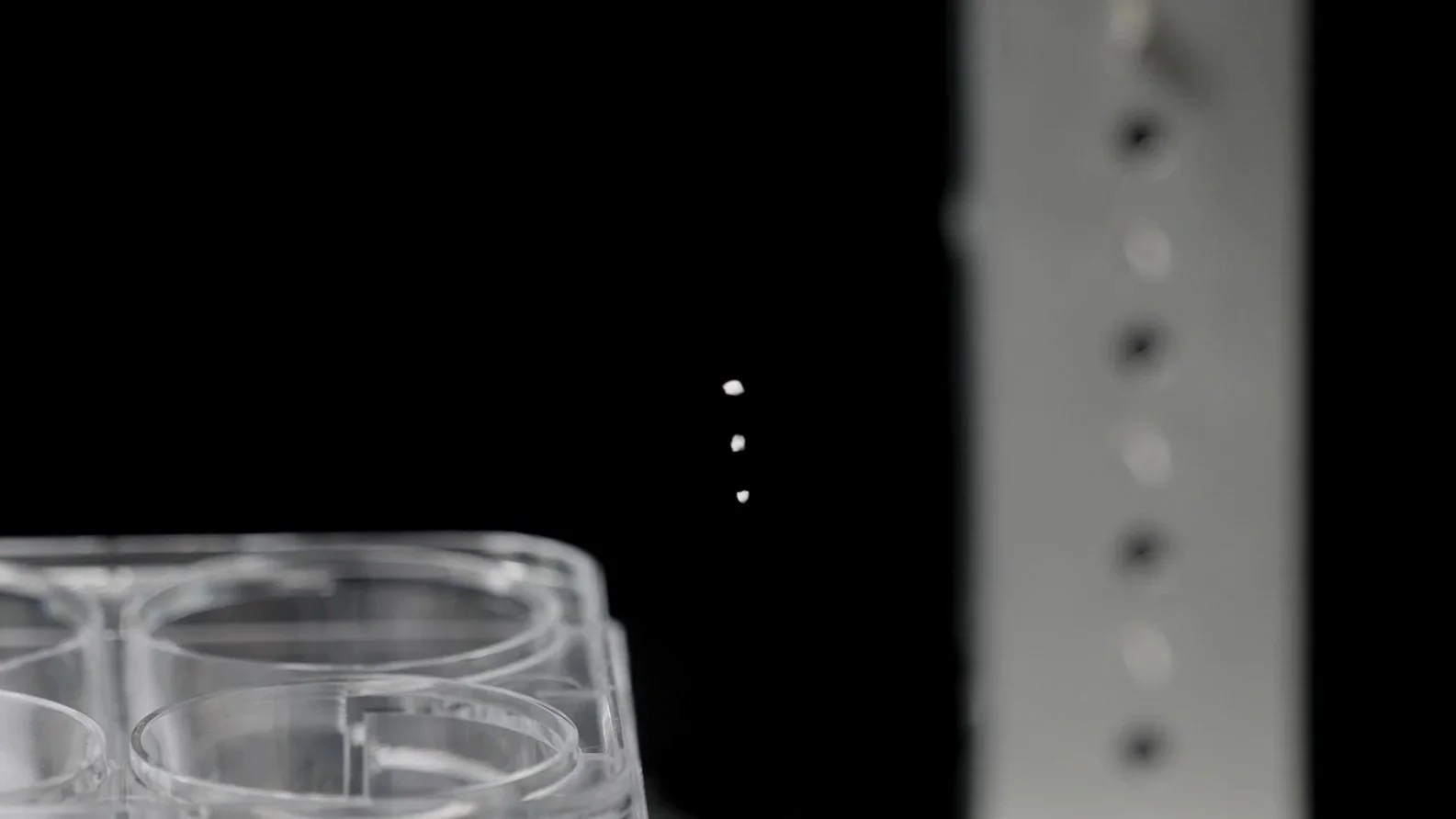
Powder &
Particle Handling
Manage fragile solids without mechanical friction.
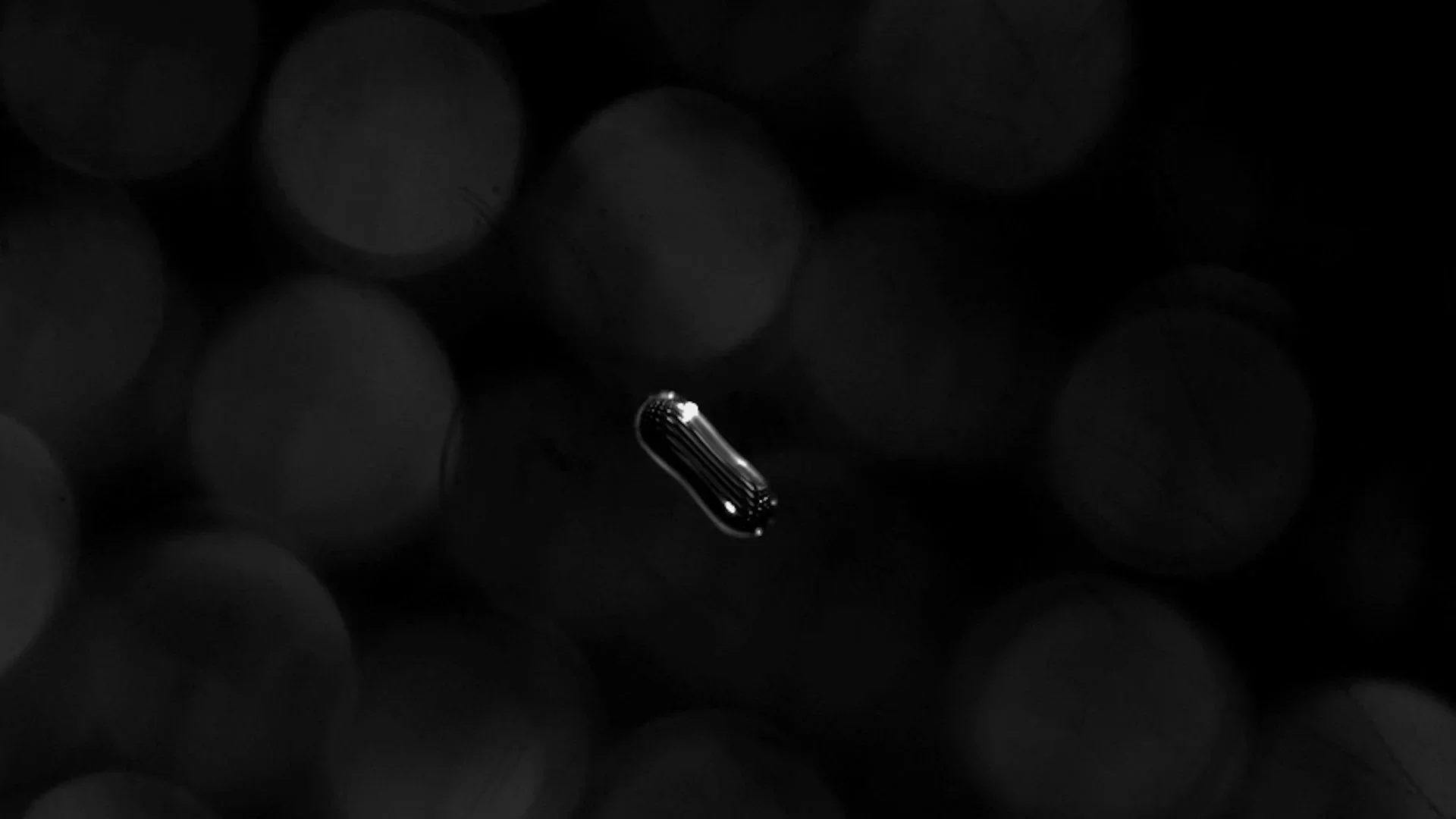
Advanced Materials
Enable multi-material manufacturing in mid-air.
Explore Our Product Platforms
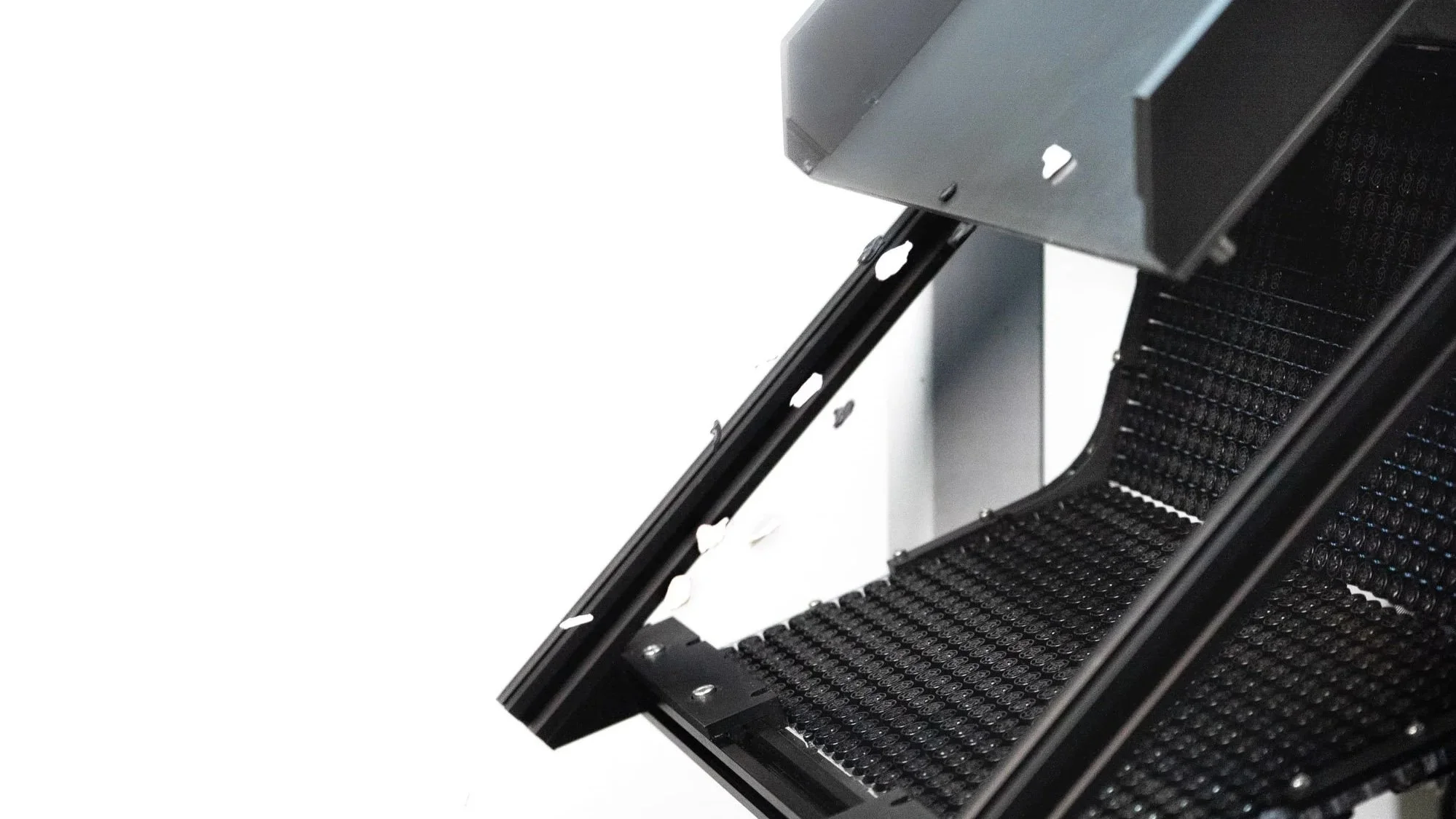
WaveSort
The drop-in, zero-maintenance upgrade for industrial sorting.
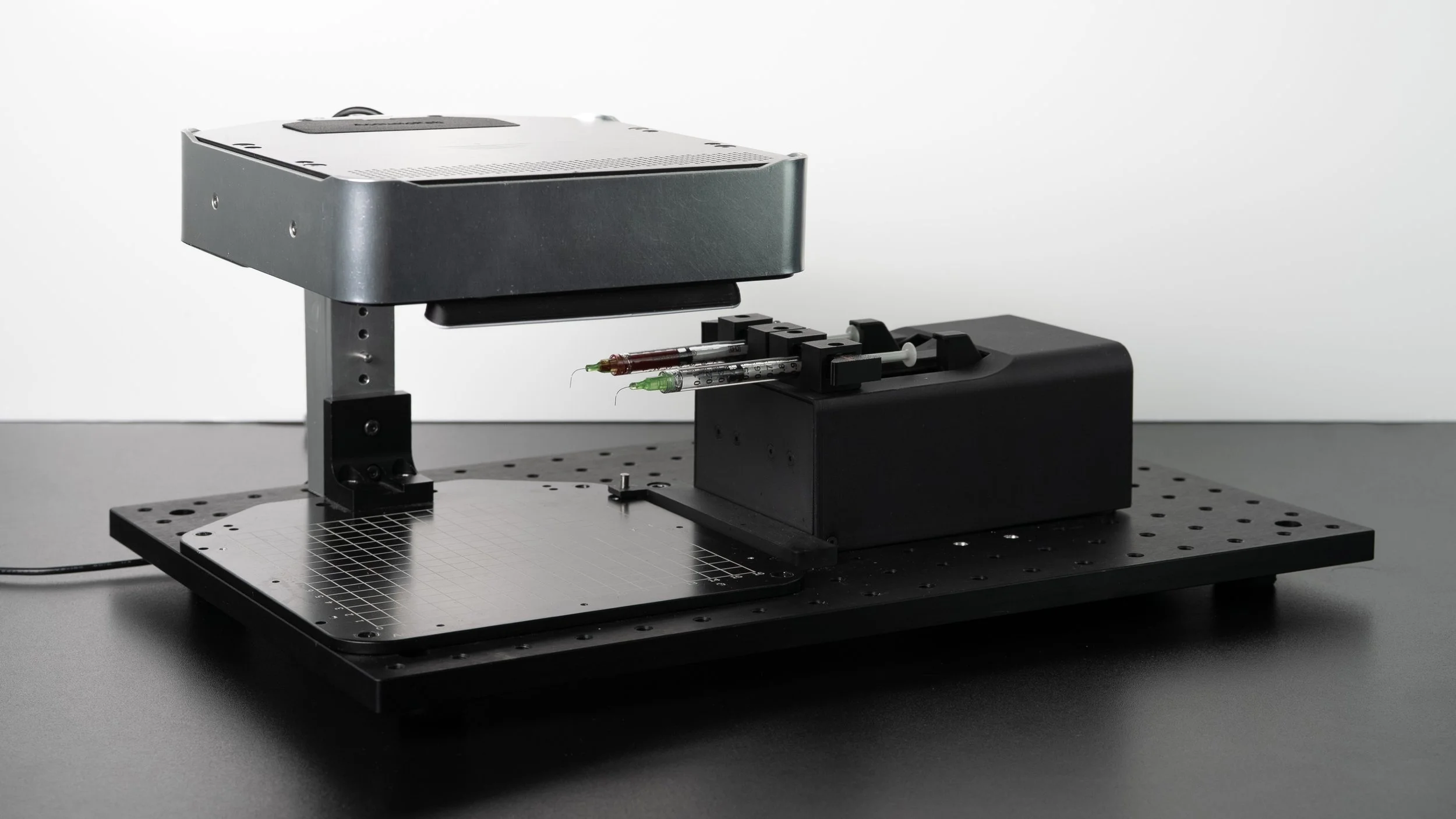
Alchema Research
The software-defined instrument for containerless experimentation.
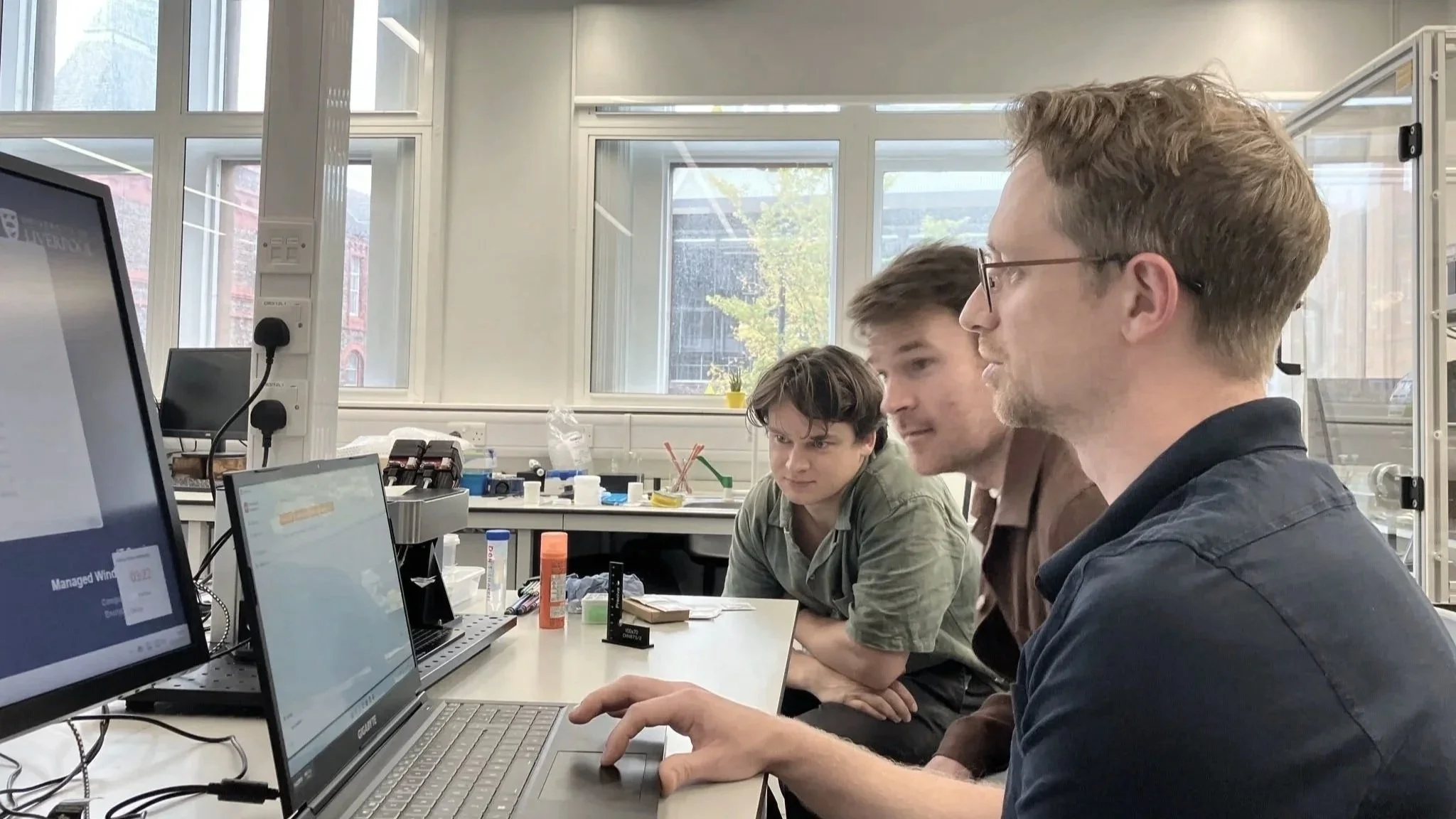
Partnerships
& Co-Development
Custom engineering and OEM integration for your unique workflow.