
Containerless Workflows for Lab Automation
Modern laboratory automation systems have optimised throughput.
They have not optimised fidelity.
For decades, automated workflows have relied on pipettes, microplates, tubes, channels, reservoirs, and consumables to move samples between processing steps. While robotics, liquid handlers, and analytical instruments have become increasingly sophisticated, the sample itself still spends most of its life interacting with surfaces.


Eliminate Sample Loss. Eliminate Surfaces. Redefine Lab Automation.
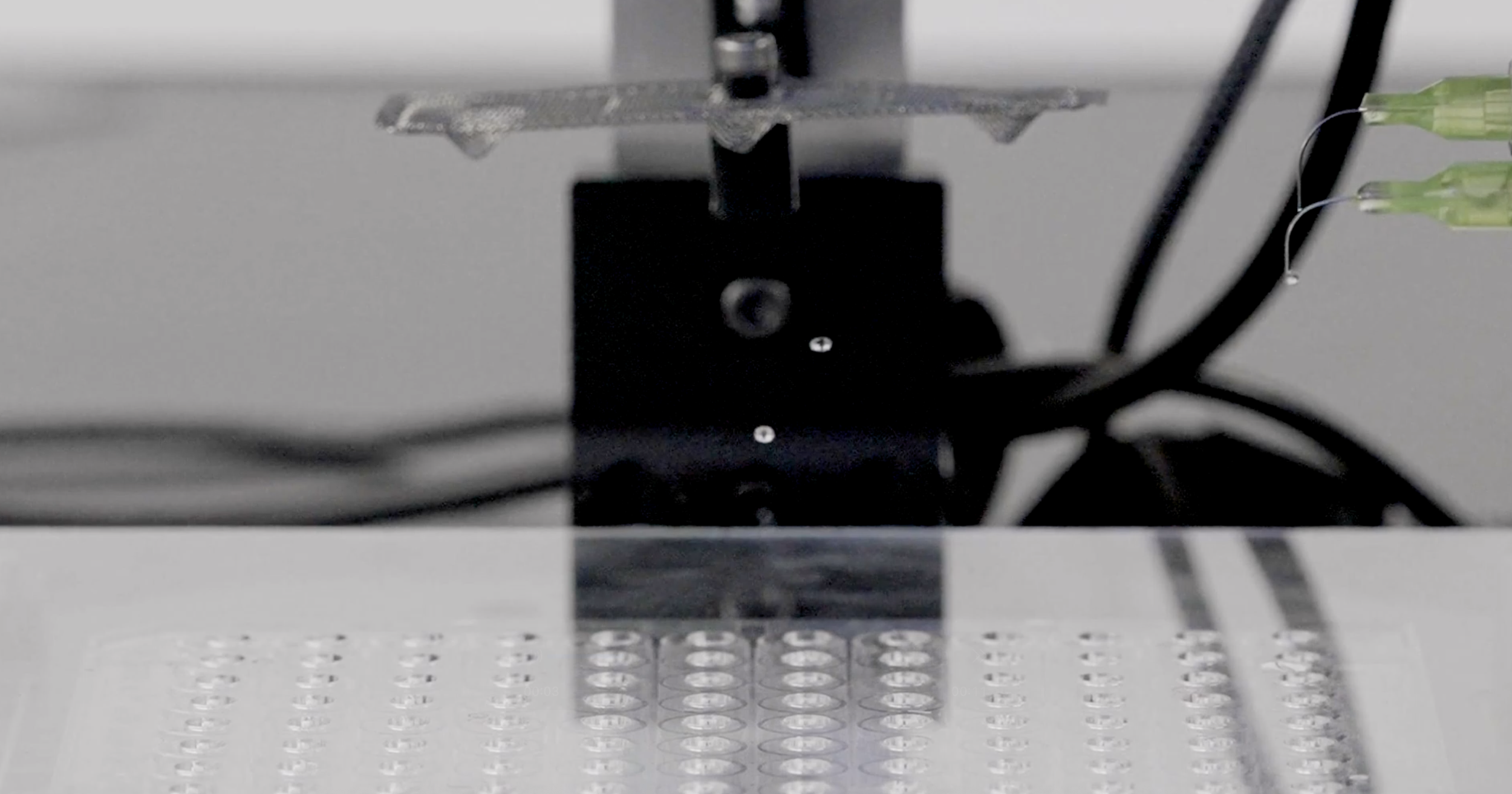
AcoustoFab introduces a new paradigm in laboratory automation: containerless experimentation. Using software-defined acoustic fields, droplets and fragile samples can be manipulated directly in free space, removing many of the limitations imposed by containers, channels, and consumables. Samples can be transported, merged, mixed, analysed, and deposited without contact with pipette tips, microplate walls, or tubing. No pipette tips. No microplate walls. No dead volume.
For researchers and automation engineers working with precious samples, complex formulations, or sensitive biological systems, this is not an incremental improvement. It is a fundamentally different operating model.
The Surface Problem
Traditional Lab Automation Was Built Around Containers
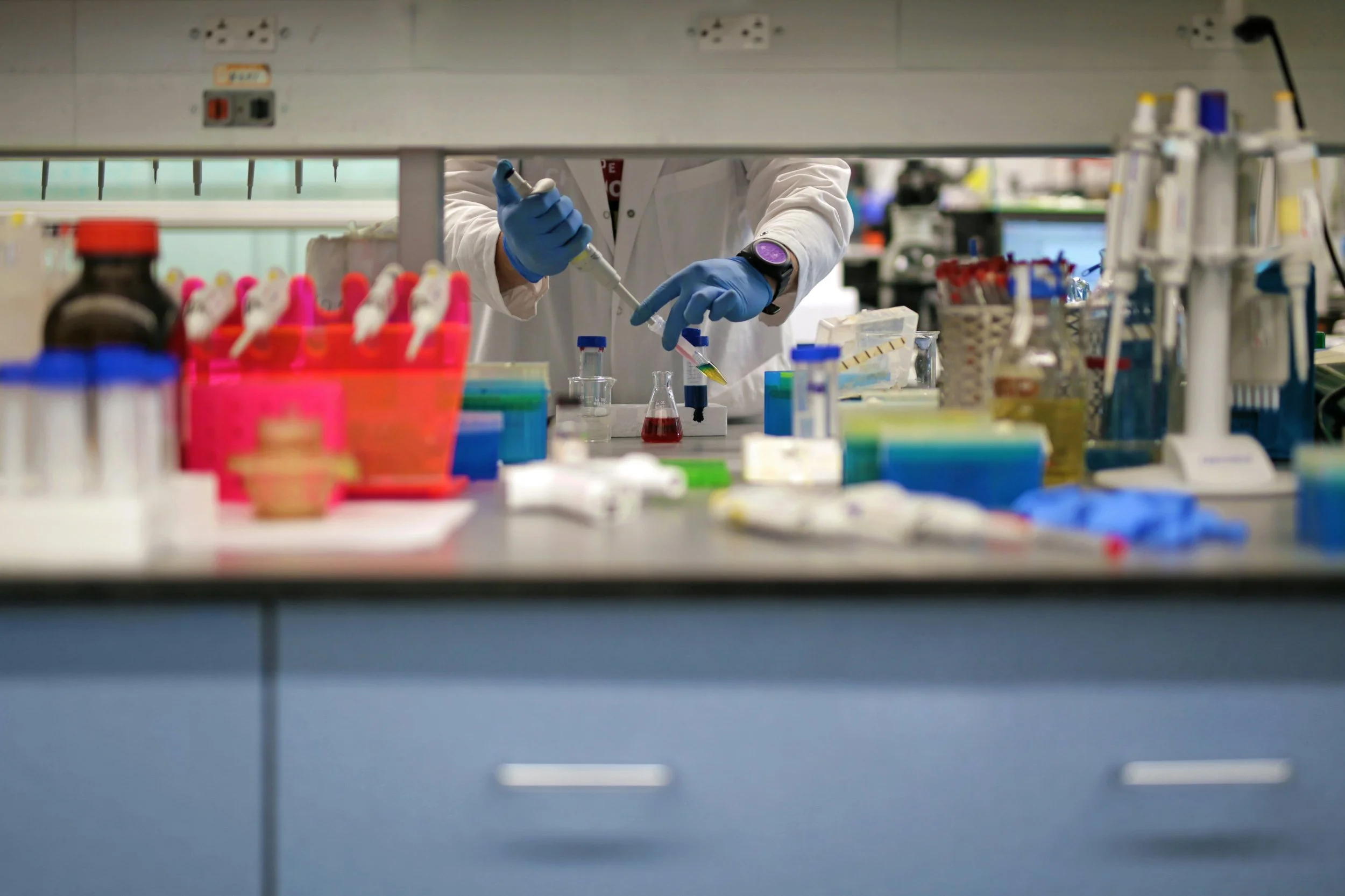
Every conventional laboratory workflow depends on surfaces. Pipettes transfer liquids between wells. Microplates hold reactions. Tubes store samples. Microfluidic devices route fluids through channels. While these tools are effective, they introduce failure modes that become increasingly important as sample volumes shrink and analytical sensitivity increases. For many researchers, the largest source of variability is not the assay itself. It is the container.
-
Protein Sample Loss
Surface-Induced Denaturation
Cross-Contamination Risk
Dead Volume Waste
Workflow Complexity
Researchers searching for ways to prevent protein sample loss, reduce dead volume, or improve assay fidelity are ultimately confronting the same problem: Surfaces.
How our Technology Improves the Lab Automation Processes
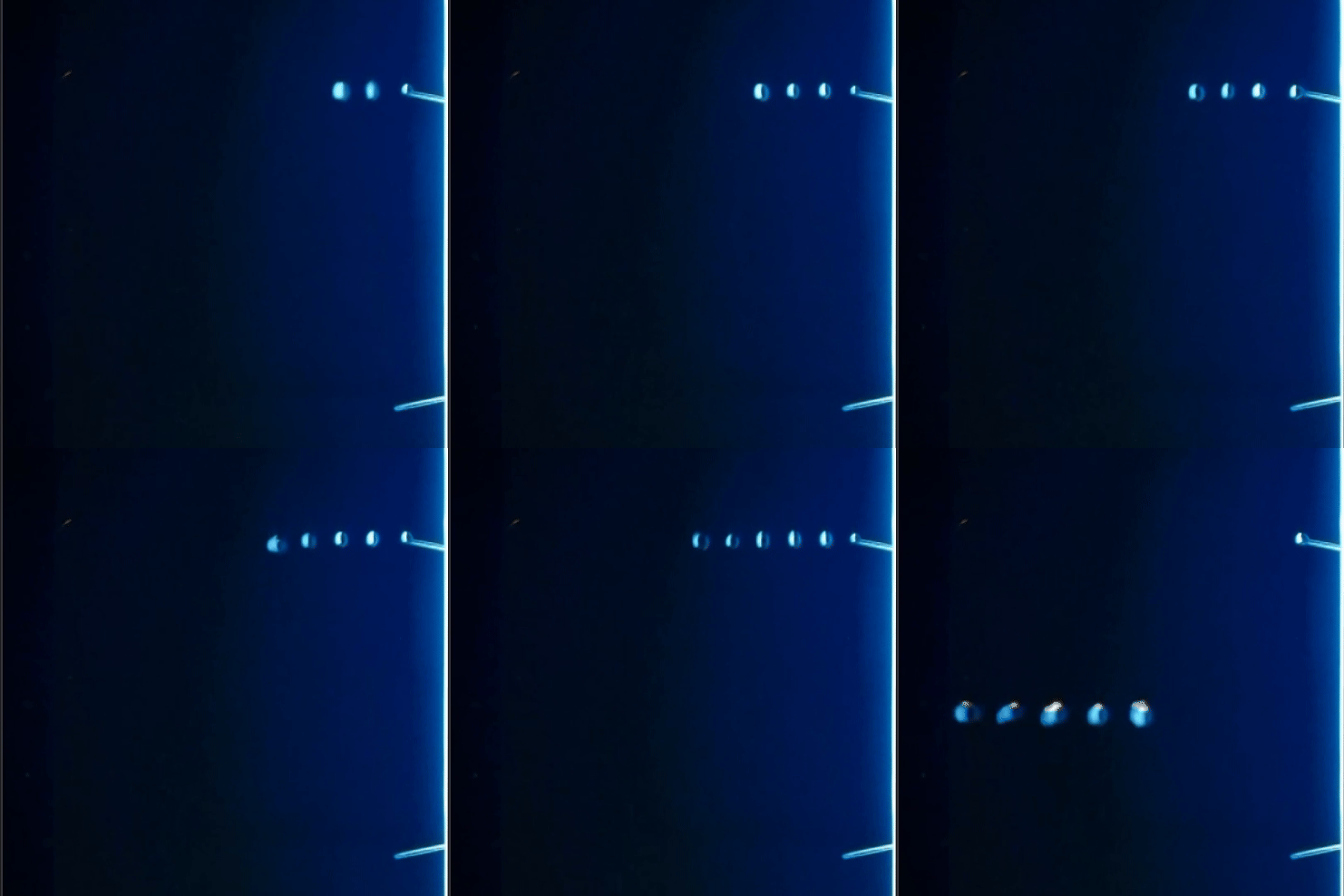
Our solutions include automated droplet generation with exact size control, fluid management, and real-time sample characterisation—all performed in mid-air for contamination-free handling aided by our easy to use user-interface. AcoustoFab technology enhances lab workflows by delivering the automation, precision and flexibility that advanced applications demand.
The Benefits of of Integrating Acoustic Levitation in Laboratory Automation
-

Enhanced Safety
Non-contact handling reduces risks when working with hazardous or reactive materials, creating safer lab environments.
-

Reduced Contamination
Contact-free manipulation maintains sample purity by eliminating surface contact, ideal for sensitive or high-value substances.
-

Improved Data Quality
Precise droplet and volume control supports reliable time-series analysis and delivers higher accuracy in experimental results.
-

Flexibility & High Throughput
A versatile platform, free from physical constraints, enables multi-point levitation and high-speed control for increased throughput.
-

Sustainability
Contact-free liquid handling eliminates single-use pipettes, contributing to more environmentally friendly and cost-efficient lab operations.
-

Extended Equipment Lifespan
Non-contact handling minimizes wear on lab equipment, lowering repair and replacement costs over time.
-

Near-Total Sample Recovery
By eliminating adsorption to tips, wells, and tubing, containerless handling maximises recovery of scarce, high-value, or difficult-to-handle samples.
-

Direct Analytical Access
Samples remain fully accessible during manipulation, enabling seamless integration with microscopy, spectroscopy, imaging, and other real-time analytical techniques.
-

Programmable Experimental Workflows
Software-defined droplet control enables automated reaction sequencing, dynamic protocol execution, and rapid workflow reconfiguration without specialised hardware changes.
Resources
-
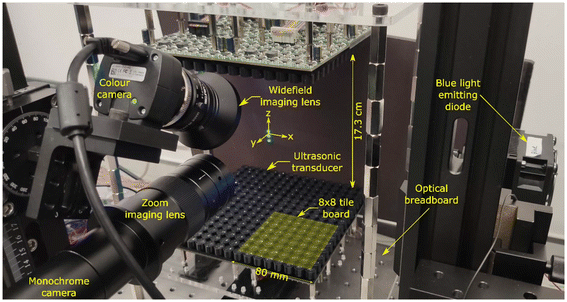
Read Parallelised Biochemical Reactions in Acoustically Levitated Droplets
-
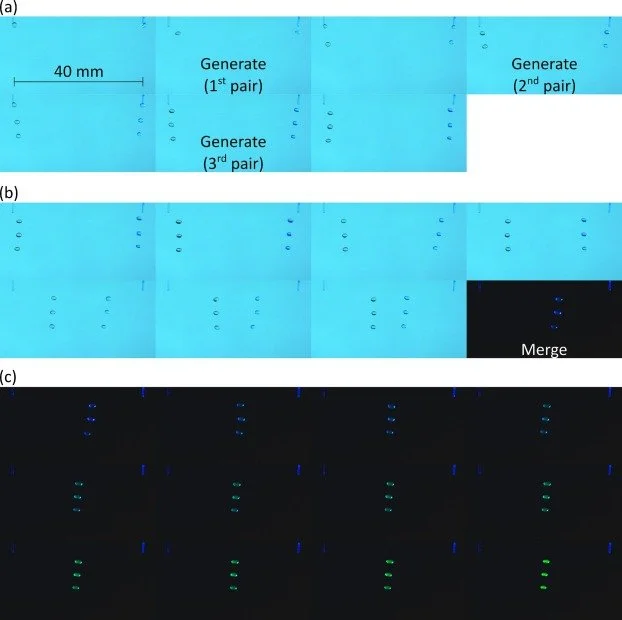
Read Automated Generation, Manipulation and Analysis of Acoustically Levitated Droplets
-
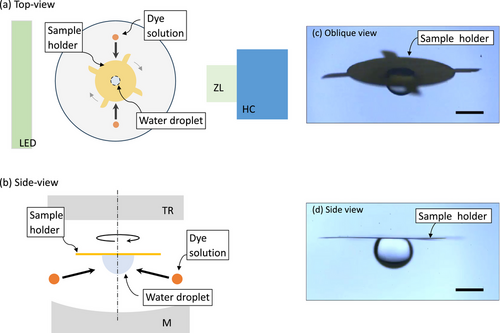
Read Rapid Acoustic Mixing for Time-Resolved Protein Crystallography
-
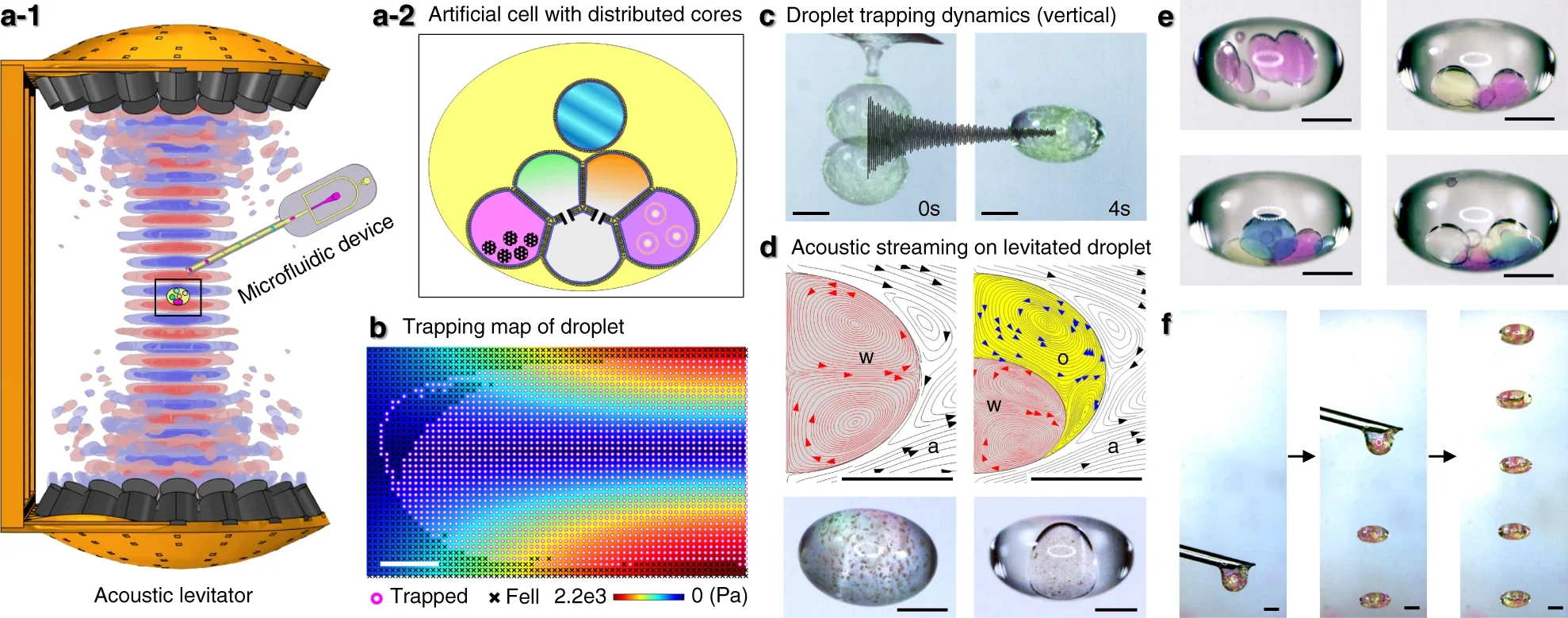
Read Artificial Cells in Acoustically Levitated Droplets
-
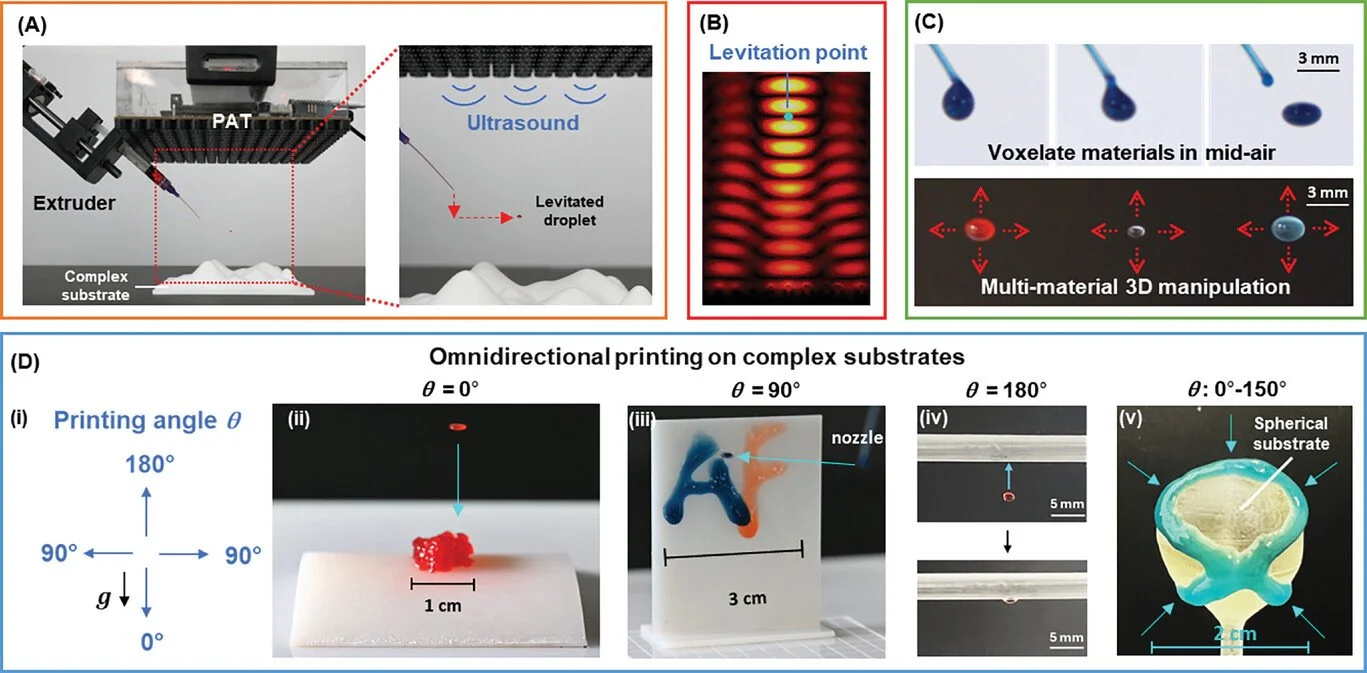
READ Omnidirectional Multi-Material 3D Printing Using Acoustic Levitation
-
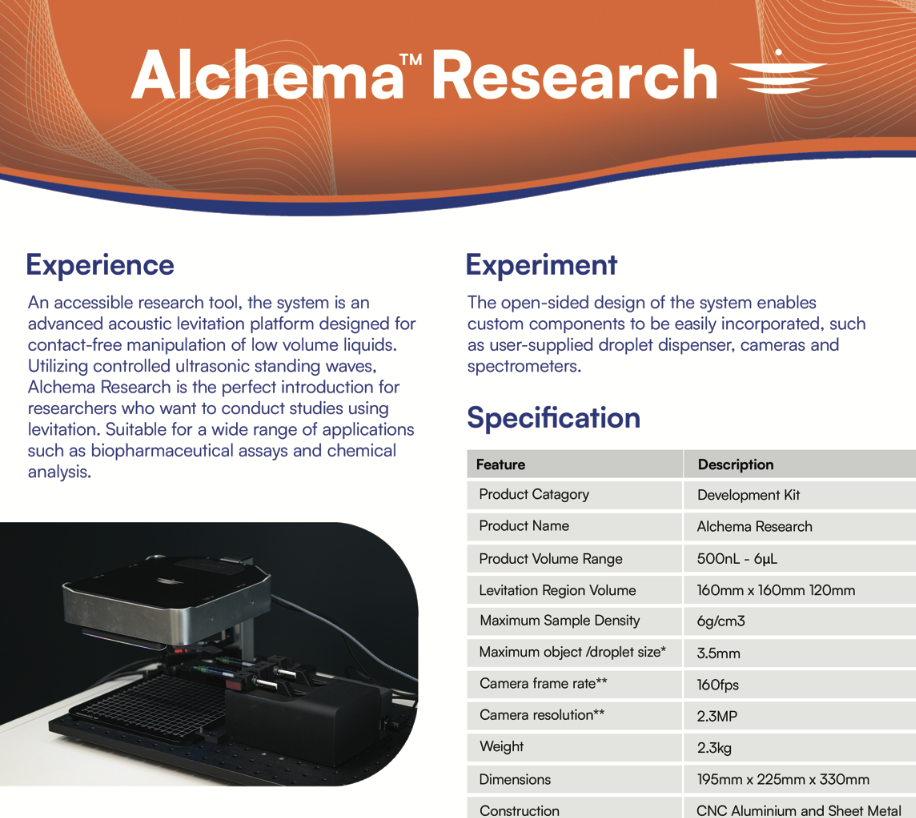
Download the Alchema Research Product Brochure
How our Technology Improves Lab Automation Processes
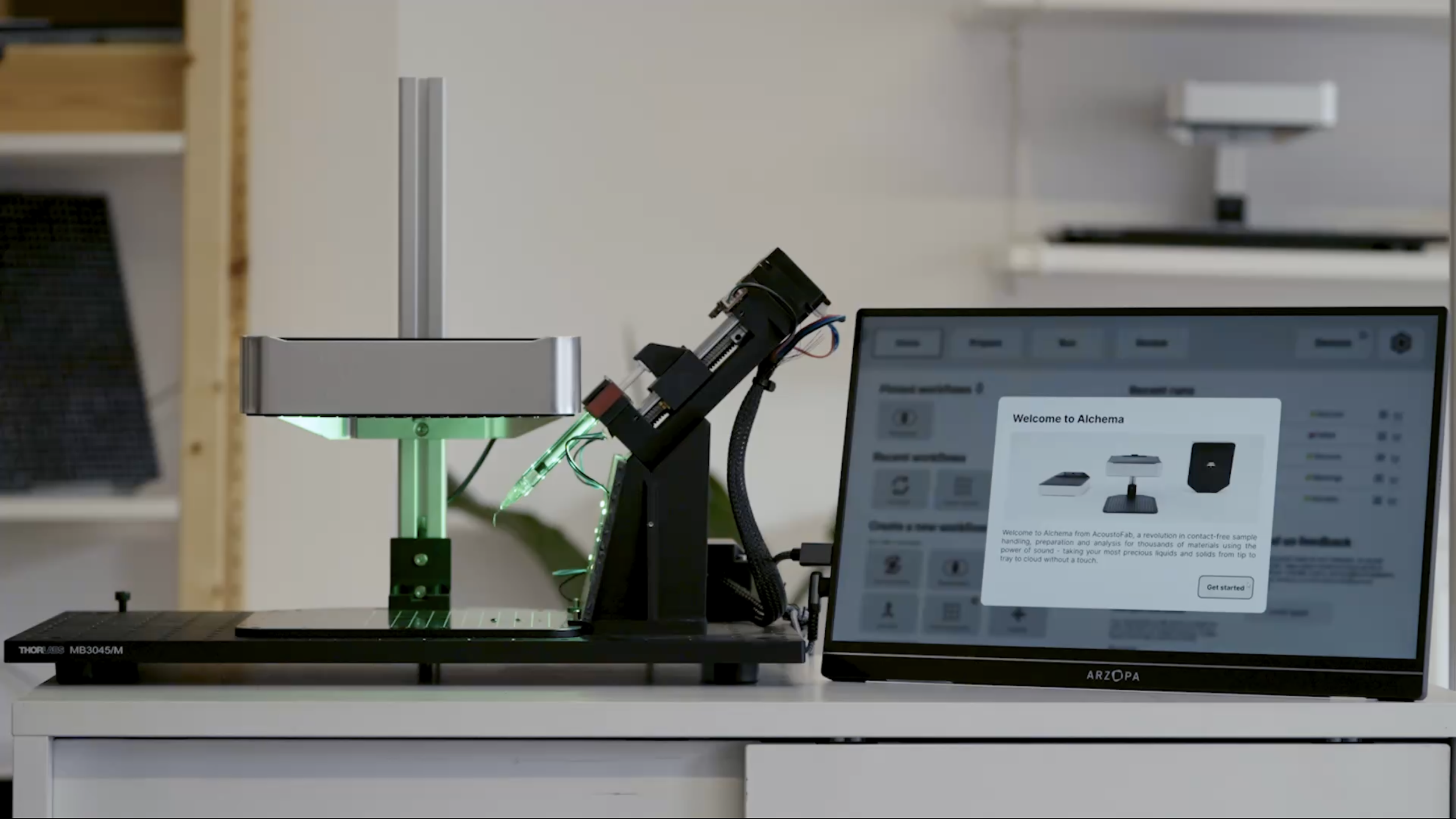
Contactless Liquid Handling & Sample Recovery
Generate, transport, split, merge, and deposit droplets without pipettes, tubing, wells, or consumables. By removing contact surfaces, AcoustoFab reduces adsorption, dead volume, contamination risk, and sample loss, enabling higher recovery for scarce biological materials, precious reagents, and sensitive analytical workflows.

Programmable Droplet Dynamics & Workflow Automation
Control droplet motion, mixing, titration, dilution, and reaction sequencing directly in mid-air. Software-defined acoustic fields allow researchers to script repeatable XYZ trajectories, automate multi-step protocols, and rapidly reconfigure workflows without redesigning hardware, fluidics, or lab automation robotics.
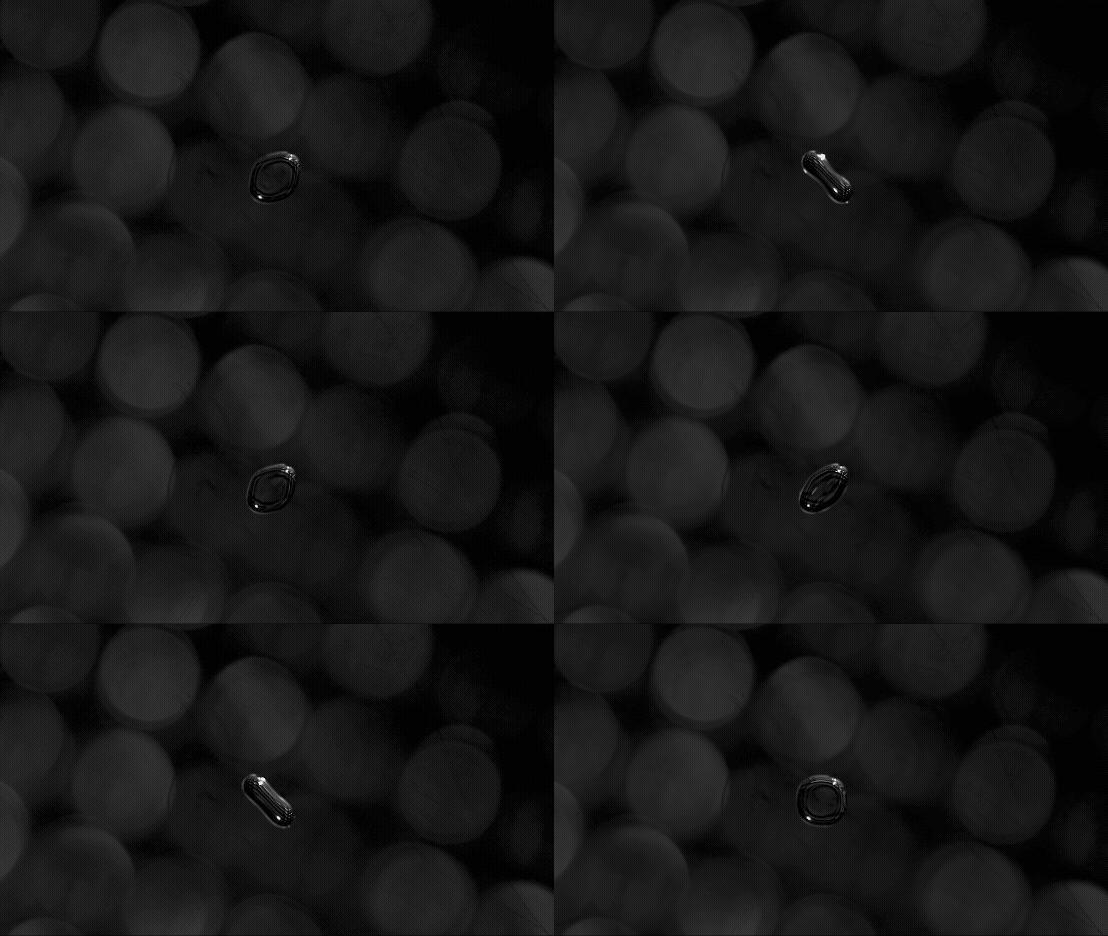
Real-Time 3D Droplet Analysis & Data Quality
Levitated samples remain fully accessible for microscopy, spectroscopy, imaging, and optical monitoring throughout the experiment. By eliminating container walls, nozzles, and surface artefacts, researchers can capture high-fidelity temporal and spatial data from droplets, particles, reactions, and formulation processes in free space.

Engineered for Seamless Lab Integration
Alchema Research is designed to complement existing laboratory automation infrastructure rather than replace it outright. The platform acts as a programmable containerless processing zone that can integrate with analytical instruments, robotic systems, and existing software environments.
Proteomics & Structural Biology
Prevent surface-induced denaturation, maximise sample recovery, and enable new workflows for protein analysis, crystallisation, and biomolecular characterisation.
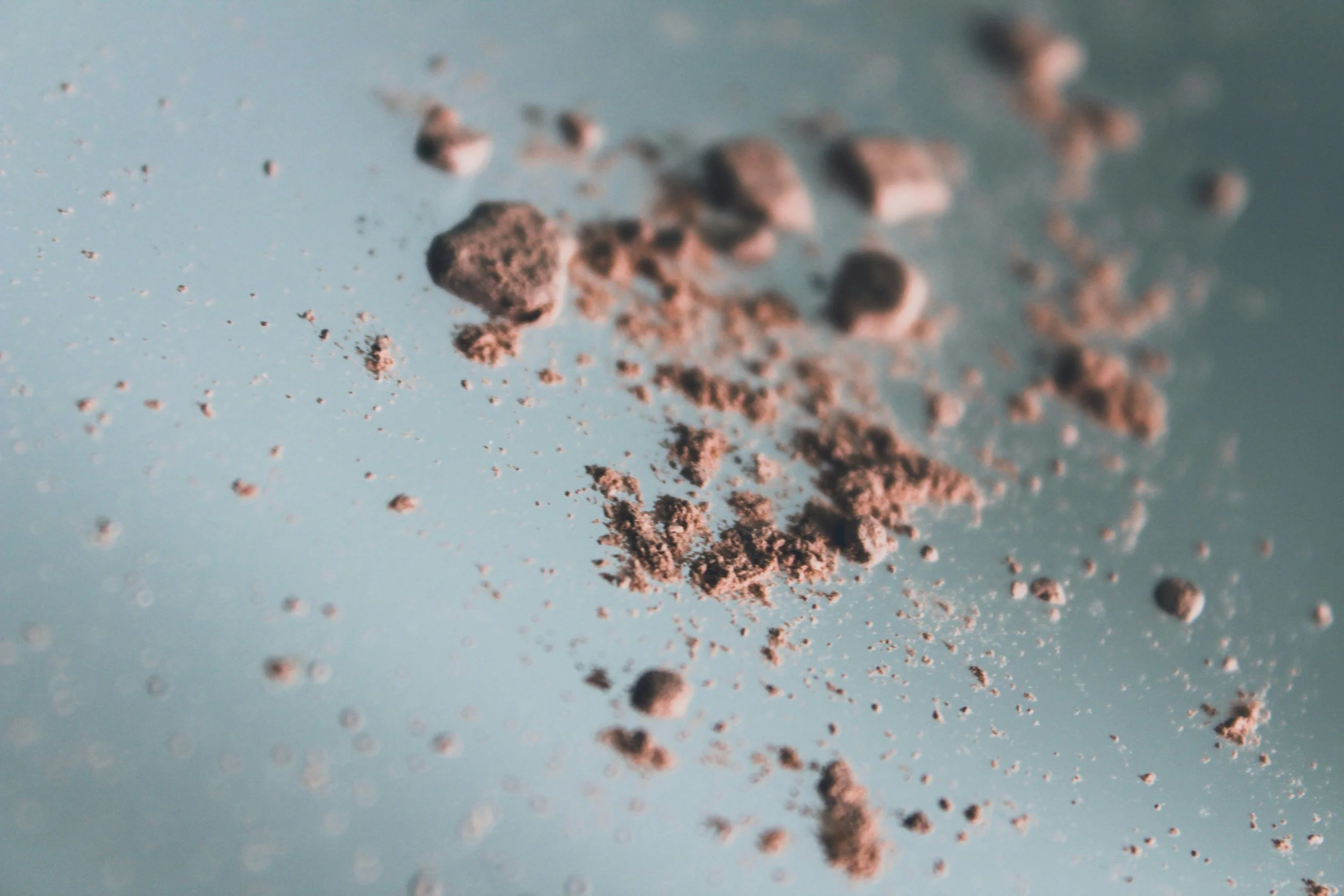
Precision Powder & Particle Handling
Manipulate hygroscopic, reactive, or fragile materials without friction, contamination, or material loss.
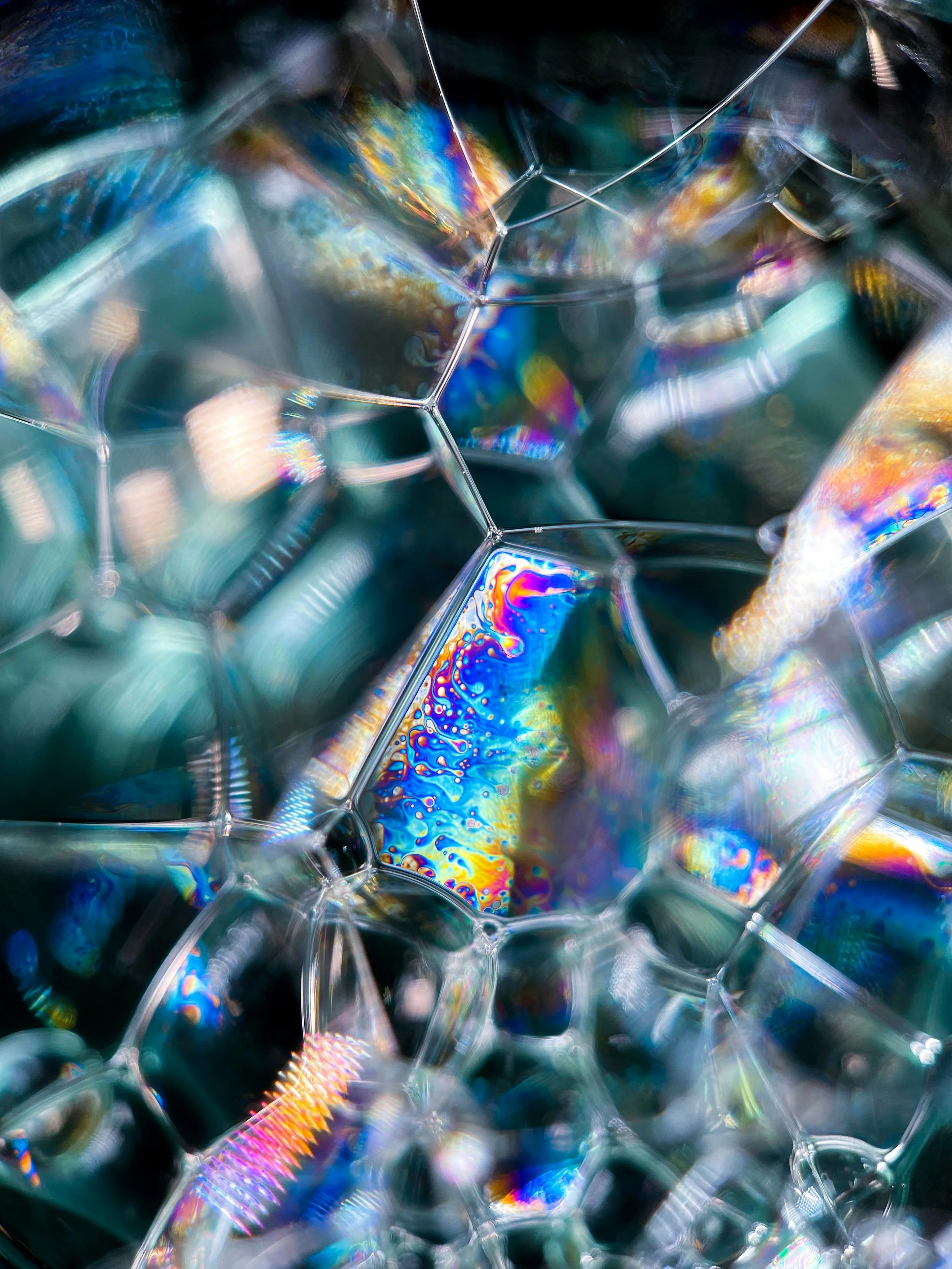
Advanced Materials & Formulation Research
Enable controlled phase transitions, crystallisation studies, nucleation experiments, and multi-material mixing within contact-free environments.
Specialised Applications of Containerless Workflows
Containerless workflows unlock capabilities that are difficult or impossible to achieve using conventional liquid handling systems.
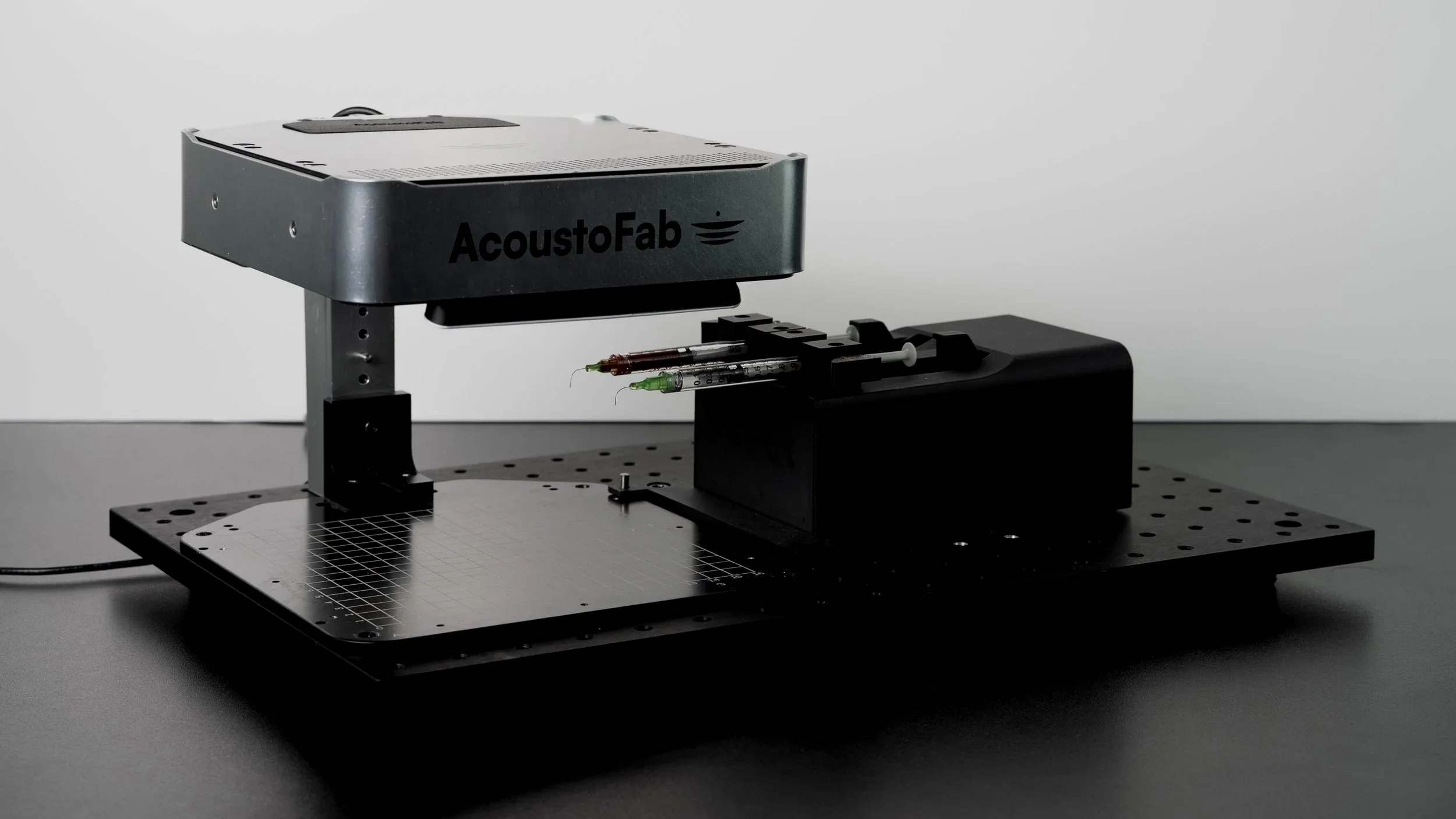
Move Beyond Pipettes. Move Beyond Surfaces
If your workflows are limited by sample loss, contamination, dead volume, or consumable dependence, the constraint may not be your protocol. It may be your handling technology.
Whether you are developing analytical workflows, studying complex biological systems, or exploring new approaches to liquid handling, Alchema Research provides a fundamentally different way to work with matter.
FAQs
-
Acoustic levitation uses sound waves to suspend and manipulate samples in mid-air without physical contact. This approach eliminates contamination risks, maintains sample integrity, and offers precision handling, making it ideal for advanced lab automation
-
By levitating samples, AcoustoFab’s technology avoids surface contact, minimising contamination. This is especially beneficial in labs handling sensitive or reactive materials, where even slight contamination could alter results.
-
By removing contact with surfaces, acoustic manipulation eliminates adsorption and dead volume losses—improving recovery of scarce samples by reducing adsorption and dead volume losses.
-
Contactless liquid handling moves droplets without pipettes or channels. This prevents contamination, preserves sample integrity, and enables new high-fidelity workflows in laboratory automation systems.
-
For selected workflows, yes. In many cases, acoustic handling will initially complement existing liquid handlers by adding a contactless processing zone, removing the need for tips, tubing, and wells while integrating into existing automated laboratory equipment via API control.
-
Our technology handles a variety of samples, including delicate biological specimens, small particles, and liquid droplets. It is suitable for applications requiring precise control, such as protein crystallography, droplet analysis, and complex fluid handling.
-
Yes. The AcoustoFab platform is designed with an open architecture. Our Python/C++ APIs allow you to trigger acoustic functions from your existing master control software, effectively adding a "contactless deck" to your current automation setup.
-
Alchema Research is designed for low-volume workflows, with a droplet range of approximately 200 nL to 6 µL, depending on sample properties and workflow configuration. For solids, it can handle particles from sub-millimeter scales up to 10mm.